DC has posted their full complement of solicitations for August 2025, and here’s everything relating to the Flash. It’s a quieter month than the last, but there are still plenty of books featuring various members of the Flash Family, including the Flash solo book and the New History of the DC Universe.
You can see the solicitations in their entirety at Adventures In Poor Taste.
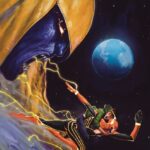 THE FLASH #24
Written by SIMON SPURRIER
Art by VASCO GEORGIEV
Cover by DAVIDE PARATORE
Variant covers by SERG ACUÑA and MAHMUD ASRAR
Artist Spotlight variant cover by BRUNO REDONDO
$3.99 US | 32 pages | Variant $4.99 US (card stock)
ON SALE 8/27/25
With Eclipso and the Rogues surging across the surface of the Moon, Eclipso shifts the Earth into further darkness and Jai West and the Flash find their dog, Foxy — but will one of the temp Flashes destroy the Flash Family’s quest to turn the tide?
JUSTICE LEAGUE UNLIMITED #10
Written by MARK WAID
Art and cover by DAN MORA
Variant covers by NATHAN SZERDY, RACHTA LIN, and SARAH BASLAIM Artist Spotlight variant cover by BRUNO REDONDO
1:25 variant cover by MATTHEW CLARK
$3.99 US | 32 pages | Variant $4.99 US (card stock)
ON SALE 8/27/25
The Quantum Quorum of time-traveler refugees has issued its warning to the Justice League: Apokolips is coming. But just as Jor-El’s cries fell on the deaf ears of Krypton, will the people of Earth be prepared to take drastic steps to save their world? It all comes to a head as the chaos continues, and one Leaguer is put to the ultimate test!
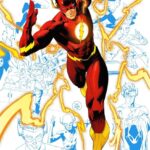 NEW HISTORY OF THE DC UNIVERSE #3
Written by MARK WAID
Art by DOUG MAHNKE and DAN JURGENS
Cover by CHRIS SAMNEE
Variant covers by DAN MORA and FRANK QUITELY
1:25 variant cover by KARL KERSCHL
Foil variant cover by RYAN SOOK
Legacy variant cover by SCOTT KOBLISH
Wraparound variant $9.99 US (card stock)
Blank sketch cover
$5.99 US | 48 pages | 3 of 4 | Variant $6.99 US (card stock)
ON SALE 8/27/25
Following the cataclysmic events of Crisis on Infinite Earths, the DC Universe is forever changed. Torches are passed as legacy heroes like Wally West embrace the mantles of their predecessors, heroes like Hal Jordan are tempted by darkness, and the Justice League faces formidable new threats such as Doomsday, Black Hand, and Superboy-Prime. Narrator Barry Allen recaps these events through his return, ending with the cataclysmic Flashpoint!
JSA #10
Written by JEFF LEMIRE
Art by RAFAEL DE LATORRE
Cover by LEONARDO ROMERO
Variant cover by JORGE CORONA
$3.99 US | 32 pages | Variant $4.99 US (card stock)
ON SALE 8/6/25
What secrets lie within Blackhawk Island? Can the JSA uncover them before the Injustice Society burns the island and its mysteries with it?!
 ABSOLUTE FLASH #6
Written by JEFF LEMIRE
Art and cover by NICK ROBLES
Variant covers by DAVID TALASKI and TYLER KIRKHAM
1:25 variant cover by NIMIT MALAVIA
1:50 variant cover by TYLER KIRKHAM
$4.99 US | 32 pages | Variant $5.99 US (card stock)
ON SALE 8/20/25
Just who are the mysterious Rogues chasing after Wally West, and how did they join Project Olympus? THE ROGUES REVEALED!
BATMAN: GOTHAM BY GASLIGHT– A LEAGUE FOR JUSTICE #2
Written by ANDY DIGGLE
Art and cover by LEANDRO FERNÁNDEZ
Variant covers by CLAYTON CRAIN and TIRSO
1:25 variant cover by TK
$4.99 US | 40 pages | Variant $5.99 US (card stock)
ON SALE 8/13/25
Chaos consumes the frontier town of Smallville as Lex Luthor, riding in his steam-and-Kryptonite-powered Metallo robot, brings destruction in his search for a mys-terious artifact that could grant him power beyond his wildest dreams. Meanwhile, Batman, Superman, and their posse of strange new heroes band together to put a stop to his reign of terror and attempt to prevent Luthor from accessing this ancient power. But will the world be better off with this relic in the hands of those who do not know how to channel its power properly? Find out in this can’t-miss issue!
CRISIS ON INFINITE EARTHS: ABSOLUTE EDITION
Written by MARV WOLFMAN
Art by GEORGE PÉREZ
Cover by GEORGE PÉREZ and ALEX ROSS
$125 | 600 pages | 8 1/8″ x 12 1/4″ | Hardcover | ISBN: 978-1-79950-120-6
ON SALE 2/3/26
Revisit the legendary event that changed comics forever like never before! Working from Jerry Ordway’s original inks and original art provided by fans worldwide, every issue and cover has been remastered to showcase the fine lines and beauty that never made it to print…until now! Recolored against Anthony Tollin, Tom Ziuko, and Carl Gafford’s original colors, there is no better way to experience this masterpiece series. Featuring Crisis on Infinite Earths #1-12, History of the DC Universe #1-2, numerous brand-new essays from creators of the time, and more surprise wonders, this one-of-a-kind collection is not to be missed!
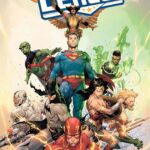 JUSTICE LEAGUE BY SCOTT SNYDER AND JAMES TYNION IV OMNIBUS VOL. 2
Written by SCOTT SNYDER and JAMES TYNION IV
Art by JORGE JIMÉNEZ, JOCK, STEVE EPTING, and others
$125.00 US | 1000 pages | 7 1/16″ x 10 7/8″ | Hardcover | ISBN: 978-1-79950-736-9
ON SALE 10/28/26
Scott Snyder and James Tynion IV bring their epic Justice League tale to a close before Dark Knights: Death Metal. Collects Justice League #19-39, The Batman Who Laughs #1-7, The Batman Who Laughs: The Grim Knight #1, DC’s Year of the Villain Special #1, and Year of the Villain: Hell Arisen #1-4!
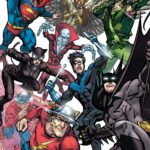 THE BRAVE AND THE BOLD VOL. 3: DEMONS AND DRAGONS (2025 EDITION)
Written by MARK WAID
Art by JERRY ORDWAY and SCOTT KOLINS
Cover by SCOTT KOLINS
$16.99 US | 168 pages | 6 5/8″ x 10 3/16″ | Softcover | ISBN: 978-1-79950-272-2
ON SALE 9/30/25
Can this diverse—and conflicting—assortment of heroes work together to stop the demons, dragons, and other evildoers who want to put them all out of commission?
Superstar writer Mark Waid joins forces with artists Jerry Ordway (Justice Society of America) and Scott Kolins (Final Crisis: Rogues’ Revenge) to conclude his acclaimed run on The Brave And The Bold! Plus, a selection of classic team-up tales, hand-picked by Waid himself!

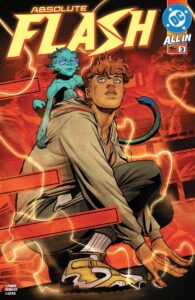 Wally West is on the run, being chased by the Rogues – but it’s a very different Wally and Rogues than we’ve ever seen before the ABSOLUTE universe was born. Wally is close to being captured, but he will find a most unlikely ally, and I can’t wait to say more about that (but that’s spoilers, and those are saved for below the jump). This is quite possibly the best issue yet in the series – wanna know more? Follow us after the jump!

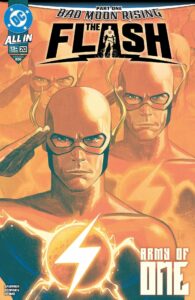 His name is Wally West. So is his…and his…and his… Okay, not quite, one of them is named F8-3-1459, and they are all fighting a war for the moon! It’s not been going well, and it likely won’t get much better soon, as we are now in the first “Event” of this volume of THE FLASH. It’s called “Bad Moon Rising”. Wanna know more? Follow us after the jump!
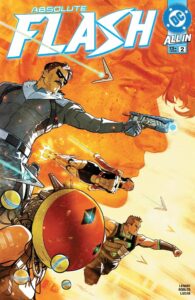 The Absolute Universe is presenting some of the best storylines DC has to offer – at least that’s true for ABSOLUTE FLASH. Familiar names, sure, but there is absolutely (see what I did there?) NOTHING else you can count on. That brings us to Wally West and his struggle to understand just what in the world is happening to him. Is he a hero? A monster? An innocent caught in the crossfire of fate? A murderer? What we DO know is that this is a gripping storyline that is more than worth a second and third look. Wanna know more? Follow us after the jump!